

Introduction
In recent years, homeowners have increasingly looked to transform their bathrooms into personal wellness retreats. One of the most desirable upgrades is the installation of a steam generator, turning an ordinary shower into a luxurious steam room. The allure of a steam shower goes beyond simple indulgence; it’s rooted in centuries of tradition where steam bathing was used for relaxation, cleansing, and overall health improvement. Modern technology has made it possible to bring this spa-like experience directly into the comfort of your home, and with careful planning, the installation of a steam generator is a project within reach for many homeowners and professionals alike.
Installing a steam generator is more than simply adding a piece of equipment. It requires an understanding of plumbing, electrical requirements, ventilation, and the structural features of your shower enclosure. A steam generator must be sized correctly, installed in a proper location, and supported with the right water supply and drainage system. Beyond the technical considerations, there are lifestyle reasons why people invest in steam showers. The benefits range from muscle relaxation and improved circulation to stress relief and enhanced skin health.
When you begin exploring the idea of installing a steam generator in your shower, you will encounter a range of brands, types, and configurations. Each system offers different features such as digital controls, Wi-Fi connectivity, and even integrated aromatherapy or chromatherapy options. While this variety allows for customization, it also makes it essential to understand what is required for installation and long-term use.
This article will provide a comprehensive guide on how to install a steam generator in your shower. We’ll cover the technical aspects of what needs to be in place, the types of generators available, the top brands on the market, and the reasons why homeowners are increasingly choosing to make this upgrade. Whether you’re a contractor preparing to assist a client or a homeowner researching the feasibility of a personal project, this guide will equip you with the knowledge to make an informed decision and successfully bring the steam shower experience into your home.
Why You Would Want a Steam Generator in Your Shower
The first question many people ask is why they should consider a steam generator in the first place. After all, a traditional shower already provides hot water, and for many households, that is sufficient. However, a steam shower offers a different and more immersive experience. Unlike a regular shower, which rinses the body, a steam generator fills the enclosure with warm, moist vapor, enveloping you in a therapeutic atmosphere. This type of bathing has been practiced for thousands of years, from the Roman thermae to Turkish hammams, and its popularity in modern homes continues to grow for good reason.
One of the primary benefits of steam bathing is relaxation. The warm mist penetrates deep into muscles, easing tension, reducing soreness, and promoting faster recovery after workouts. For those who deal with stress or insomnia, a steam session before bedtime can help calm the mind and prepare the body for restful sleep. Beyond physical relaxation, the ritual itself creates a mental break, allowing you to step away from daily stresses.
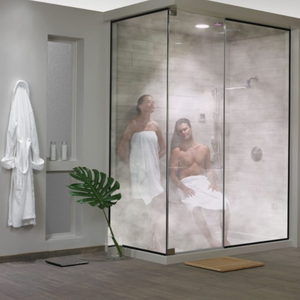
Steam also has proven health benefits. The warm humidity helps open nasal passages and relieve congestion, making it useful for individuals with allergies, sinus issues, or respiratory conditions. The moist heat promotes circulation, improving blood flow and assisting in detoxification by encouraging the body to sweat. For skin health, steam is particularly beneficial as it opens pores, releases impurities, and leaves the skin refreshed and revitalized.
On the lifestyle side, installing a steam generator can also enhance the value of your home. Bathrooms are a focal point in real estate, and a steam shower is often viewed as a luxury feature that sets a property apart. Homebuyers increasingly look for wellness-focused amenities, and a steam generator is one investment that not only benefits you in your daily life but also adds market appeal.
Understanding the Types of Steam Generators
Before diving into installation, it’s important to understand the types of steam generators available. At their core, all steam generators serve the same purpose: they heat water and convert it into steam, which is then delivered into the shower enclosure through a steam head. However, the design, features, and operation can vary depending on the type.
The most common type is the standard residential steam generator. These are compact units designed for home bathrooms and typically installed in a closet, basement, or nearby utility space. They are sized based on the cubic footage of the steam shower enclosure, with capacities ranging from small models for modest showers to larger units for expansive spa-style spaces. Most residential models offer digital control panels that allow users to adjust temperature, duration, and additional features.
Commercial steam generators are another category, designed for health clubs, hotels, and spas. These are larger and built to withstand continuous use. While not typically necessary for home installation, they demonstrate the range of durability and capacity available in the market.
Within residential units, there are also advanced models offering Wi-Fi connectivity, smartphone app integration, and wellness enhancements. Some steam generators are equipped with aromatherapy systems that diffuse essential oils, while others include chromatherapy (colored lighting effects) or audio systems. These premium options allow homeowners to tailor their steam experience to a multisensory ritual.
When choosing a steam generator, homeowners should also consider energy efficiency and maintenance. Some models are designed with automatic flushing systems to minimize scale buildup, extending the life of the unit and reducing maintenance needs. Others are engineered to optimize energy consumption by producing steam quickly and efficiently.
Top Brands of Steam Generators
When it comes to selecting a steam generator, brand reputation is important. Leading manufacturers have developed proven systems that balance durability, advanced features, and ease of installation. Among the most well-regarded brands in the residential steam market are Mr. Steam, Steamist, Kohler, Amerec, and ThermaSol.
Mr. Steam is often recognized as an industry leader, offering a wide range of steam generators with innovative features such as iSteam smart controls, integrated aromatherapy, and wellness accessories. Their units are known for reliability and advanced technology, making them a popular choice among homeowners seeking a high-end steam experience.
Steamist is another respected brand, offering steam generators with a balance of functionality and affordability. Their controls are intuitive, and many models feature built-in self-cleaning systems to simplify maintenance. Steamist units are often favored for their straightforward design and durability.
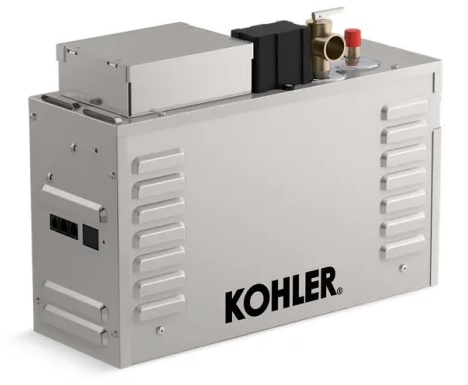
Kohler, a household name in plumbing fixtures, also manufactures steam generators that integrate seamlessly with their shower systems. Kohler’s focus on design and ease of use appeals to homeowners who want a coordinated bathroom experience. Their digital interfaces are sleek, and their generators are reliable for residential use.
Amerec and ThermaSol also stand out as premium brands, each offering specialized models with customizable features. ThermaSol, for example, emphasizes smart-home integration, allowing users to control their steam showers through voice commands or mobile apps. Amerec is known for its durable designs and efficient heating technology.
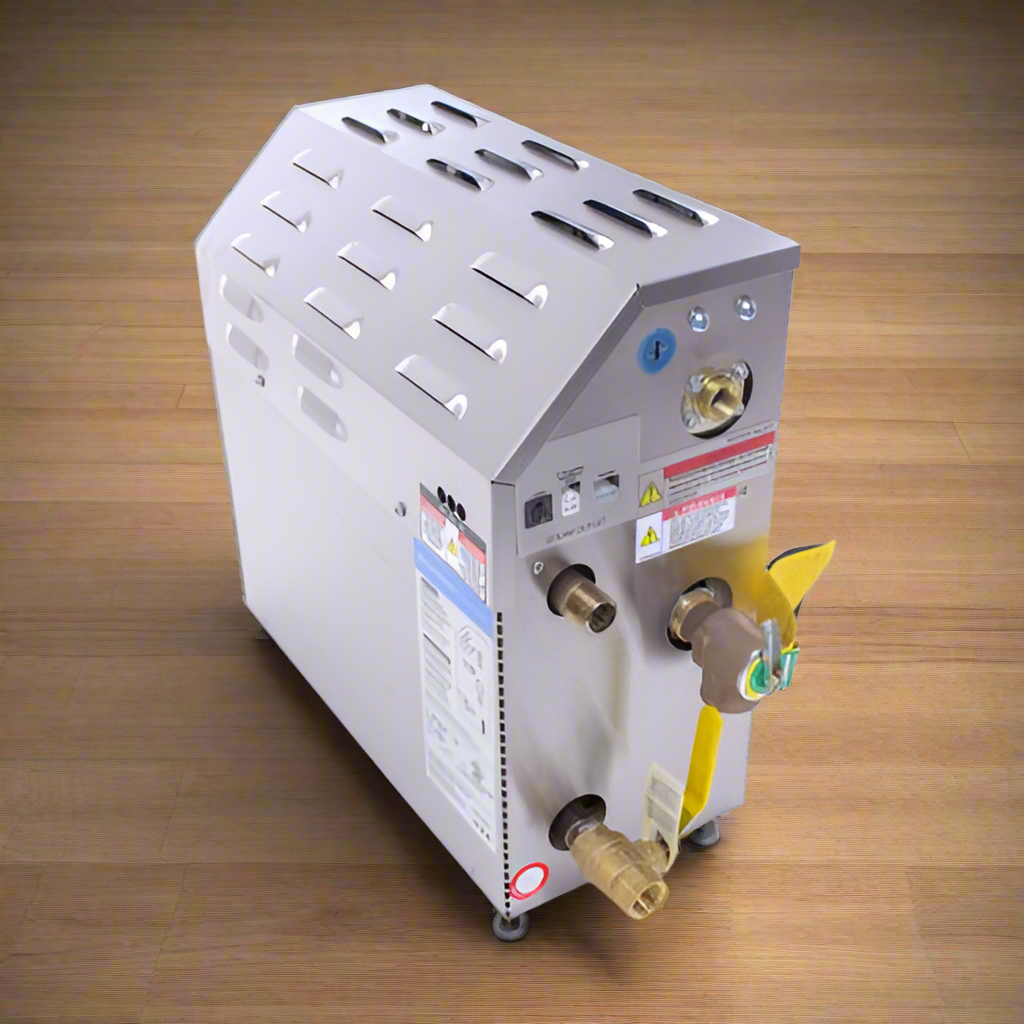
While these leading brands dominate the market, homeowners should also consult with local suppliers and contractors to determine which brand is best suited for their space, budget, and desired features. Availability and service support are important considerations that can make a big difference in long-term satisfaction.
Preparing for Installation
Installing a steam generator requires preparation and careful planning. The first step is ensuring your shower enclosure is suitable for steam. Unlike a standard shower, a steam shower must be fully enclosed with non-porous materials such as tile, stone, or glass. The enclosure should be sealed to prevent steam from escaping, and the ceiling should ideally be sloped to allow condensation to run down the walls rather than drip directly onto the user.
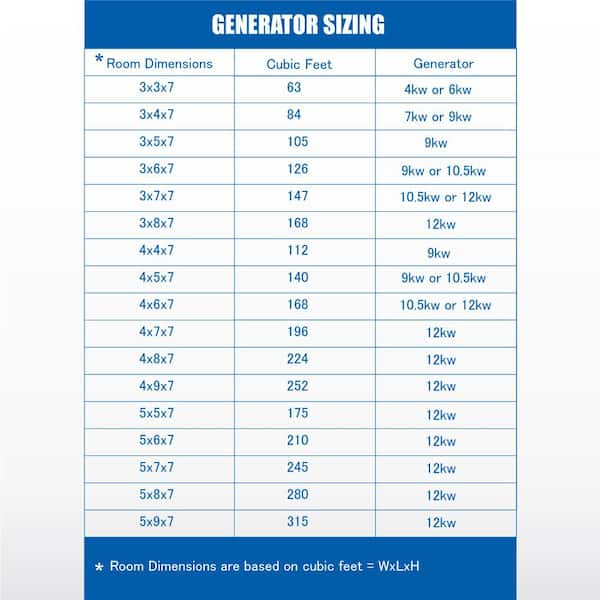
Proper sizing is also critical. Steam generators are rated based on the cubic footage of the shower enclosure, and incorrect sizing can result in inadequate steam production or wasted energy. For example, a small 4′ x 5′ shower will require a much smaller unit than a large 8′ x 10′ spa-style shower. Additional adjustments must be made for materials such as natural stone, which retain heat and may require a more powerful generator.
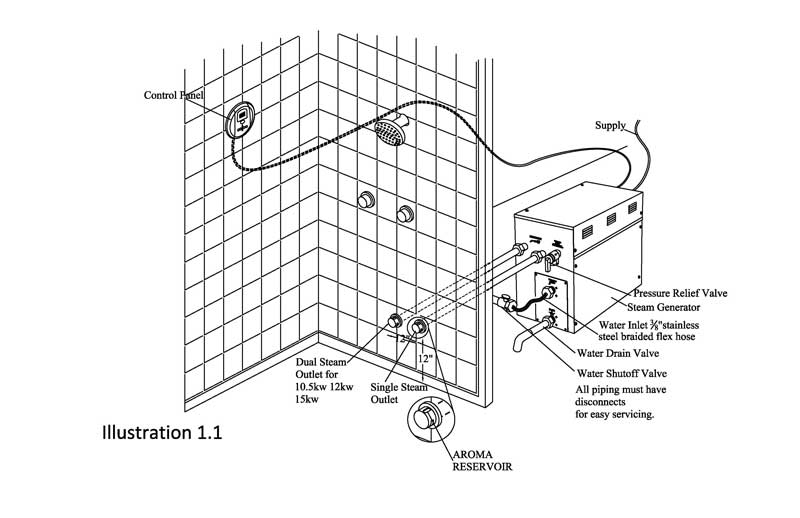
The location of the steam generator is another important consideration. It must be installed in a dry, accessible area within about 25 feet of the steam shower enclosure. Common locations include closets, basements, attics, or adjacent utility rooms. The space must have proper ventilation and sufficient clearance for servicing the unit. Installing the generator inside the shower enclosure itself is never recommended.
Electrical requirements must also be addressed. Steam generators typically require a dedicated 240-volt electrical circuit and must be installed in compliance with local building codes. A licensed electrician should handle the wiring to ensure safety. Additionally, the unit must be connected to a water supply line, usually cold water, and a drain for flushing and maintenance cycles.
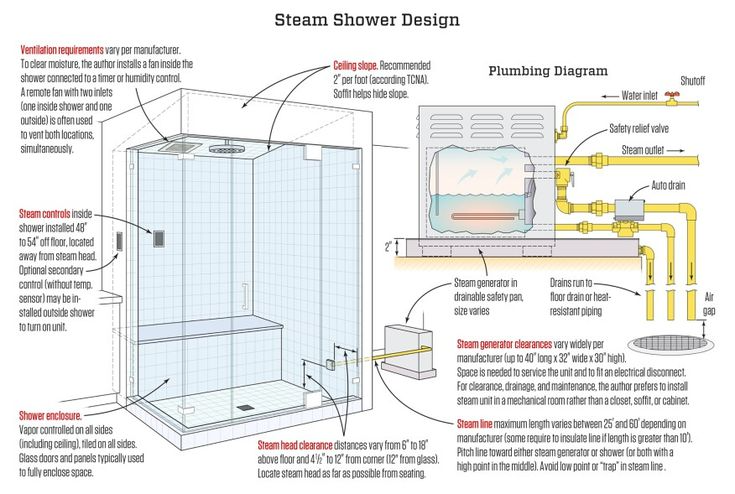
By carefully preparing the shower enclosure, selecting the proper generator size, and planning the location and utility connections, homeowners can set the stage for a smooth installation process.
Installing the Steam Generator
Once preparation is complete, the installation process can begin. This is a technical project that requires knowledge of plumbing and electrical systems, and in most cases, it is advisable to hire a professional contractor. However, understanding the general steps will help homeowners follow the process and make informed decisions.
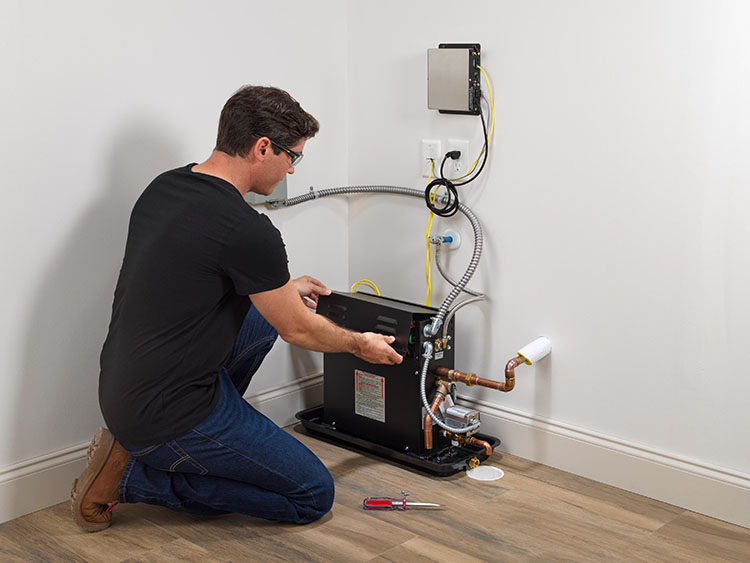
The generator is first positioned in its chosen location, ensuring it is level and accessible for future maintenance. The cold water supply line is connected to the unit, typically through a shut-off valve that allows for easy servicing. The drain line is also installed, which is essential for units equipped with automatic or manual flushing systems.
Next, the steam line is installed. This is the pipe that carries steam from the generator to the steam head inside the shower enclosure. The pipe should be insulated to prevent heat loss and condensation, and it should be pitched slightly back toward the generator to allow any condensation to drain properly. The steam head is mounted on the shower wall, usually 12 to 18 inches above the floor and away from the seating area to prevent direct exposure to hot steam.
The control panel is then installed inside the shower enclosure. Depending on the model, the panel may be a simple digital keypad or a touchscreen interface. Some systems allow for wireless controls, offering more flexibility in placement. The control panel must be connected to the generator with low-voltage wiring, and it should be positioned at a comfortable height for the user.
Finally, the electrical wiring is completed. A licensed electrician will connect the generator to the dedicated 240-volt circuit, ensuring compliance with local codes. Once all connections are secure, the unit is filled with water and tested. The system should produce steam within 5 to 10 minutes, and the enclosure should fill evenly with vapor.
Maintenance and Long-Term Care
Installing a steam generator is only the beginning; proper maintenance ensures reliable operation for years to come. Most modern units include self-cleaning or automatic flushing systems, which help reduce scale buildup from minerals in the water supply. However, depending on the water quality in your area, additional maintenance may be required.
Regular inspection of the water supply and drain lines is important to prevent leaks. The steam head should also be checked to ensure it is free of blockages. For units without automatic flushing systems, manual draining should be performed after each use to prevent mineral deposits from accumulating.
In areas with particularly hard water, the installation of a water softener may be recommended to prolong the life of the generator. Descaling solutions can also be used periodically to clean the unit.
Control panels and electrical connections should be inspected by a qualified professional annually. Routine servicing not only ensures safety but also helps detect small issues before they become costly repairs. With proper care, a quality steam generator can last 10 to 15 years or more.
Conclusion
Installing a steam generator in your shower is one of the most rewarding home improvements you can make, both for your personal wellness and for the long-term value of your property. It brings the time-honored tradition of steam bathing into your daily routine, offering relaxation, health benefits, and a spa-like luxury experience within the comfort of your home.
The process requires thoughtful planning, including choosing the right generator, preparing the shower enclosure, and ensuring proper plumbing and electrical connections. With a range of high-quality brands such as Mr. Steam, Steamist, Kohler, Amerec, and ThermaSol, homeowners can select a system that meets their budget, lifestyle, and design preferences.
Though installation may seem complex, breaking it down into preparation, setup, and maintenance makes the process manageable. For most homeowners, working with licensed professionals ensures the system is installed safely and performs reliably for years. The investment is well worth it, not only for the immediate benefits but also for the enhancement it brings to your home’s overall appeal.
In the end, a steam generator is more than a bathroom upgrade; it’s a commitment to self-care and daily wellness. By creating a sanctuary where relaxation and health converge, you transform your shower into a personal retreat that enriches both body and mind.