

Introduction
Hiking is one of the most rewarding ways to explore the outdoors. Whether you are scaling steep mountain trails, strolling through forest paths, or tackling long-distance routes that test endurance and resilience, hiking allows you to connect deeply with nature while also challenging your body and mind. However, no matter how experienced you are as a hiker, your preparedness largely determines the quality and safety of your journey. A well-packed backpack is not only a convenience but also a lifeline when you are far from civilization and dependent on your own supplies and tools.
The beauty of hiking is that it can be both simple and complex. On one hand, all you need to enjoy a trail is a pair of sturdy shoes, a sense of adventure, and an appreciation for the landscape around you. On the other hand, anyone who has hiked long enough knows that unexpected challenges inevitably arise. Weather can shift without warning, trails can be longer and steeper than expected, and minor inconveniences can quickly turn into serious issues if you are unprepared. That is why the gear you choose to carry in your backpack is so important.
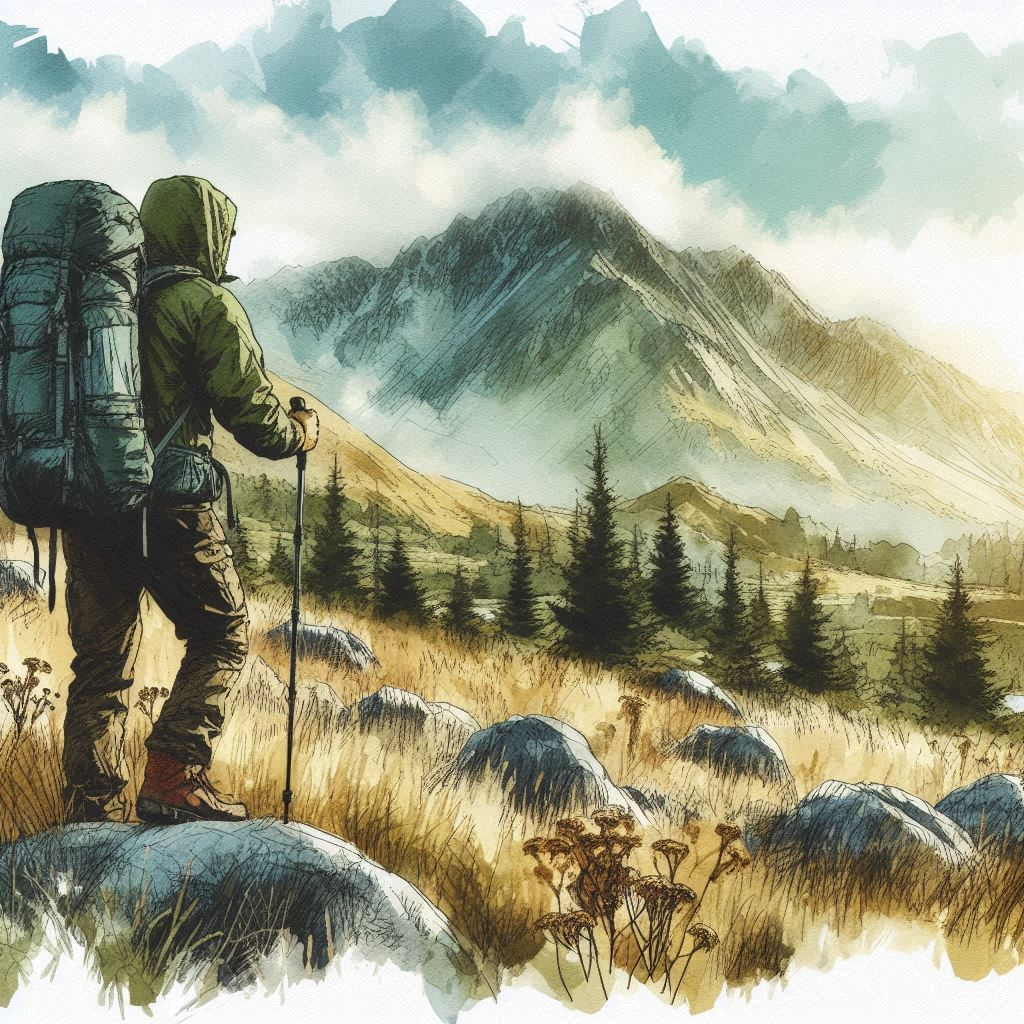
Packing the right items is about balance. Carrying too little means leaving yourself vulnerable to discomfort and even danger, while overpacking can weigh you down, sap your energy, and make the hike unnecessarily difficult. The sweet spot is to bring along essentials that cover your basic needs—hydration, nutrition, navigation, safety, and comfort—without overloading yourself with unnecessary gear. By curating the contents of your backpack carefully, you’ll feel confident and secure knowing that you’re ready for anything the trail might throw at you.
In this article, we’ll explore ten must-have items for your hiking backpack. Each of these essentials serves a unique purpose, and together they create a toolkit that helps you enjoy your hike more fully, safely, and responsibly. Whether you’re a beginner planning your first day hike or a seasoned hiker preparing for multi-day treks, this list is designed to help you make informed decisions about what to carry, why it matters, and how it can make all the difference on the trail.
1. Water and Hydration Solutions
Water is the most essential item for any hike. Without proper hydration, your body’s ability to regulate temperature, maintain energy, and perform basic physical tasks diminishes rapidly. On even a moderate hike, you can lose significant amounts of fluids through sweat, and dehydration can creep up faster than you realize. Carrying an adequate water supply is non-negotiable, and the method you choose can greatly influence your comfort and efficiency on the trail.
Many hikers rely on reusable water bottles because they are simple, durable, and easy to refill. Stainless steel bottles keep water cool longer, while lightweight plastic or collapsible bottles help reduce pack weight. For longer hikes, hydration bladders with hoses allow you to sip water continuously without stopping to pull out a bottle. This system encourages regular hydration, which is especially important on strenuous trails.
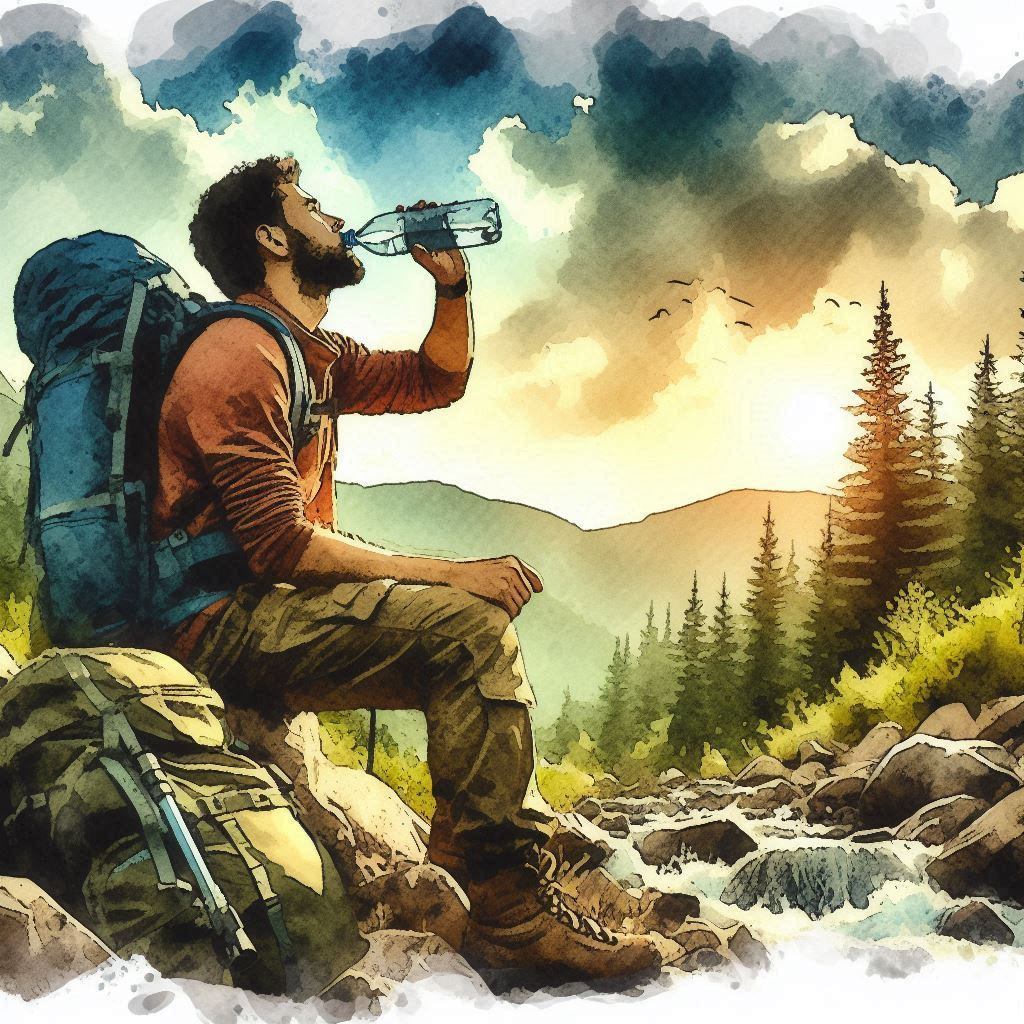
Beyond carrying water, it’s wise to plan for how you will replenish your supply if the hike is long. Lightweight water filters or purification tablets are compact, reliable tools that allow you to safely drink from streams, rivers, or lakes. This not only ensures you won’t run out of water but also reduces the need to carry excessive amounts from the start. Many modern portable filtration systems can remove bacteria and protozoa in seconds, giving you peace of mind as you drink directly from natural sources.
It’s also important to think about electrolyte balance. While water keeps you hydrated, electrolytes maintain muscle function and prevent cramping. Carrying electrolyte tablets or powdered drink mixes can be a game changer on longer hikes or in hot climates. By combining hydration with replenishment, you’ll keep your body performing at its peak. In short, water isn’t just an item—it’s your lifeline, and having both the supply and means to purify it should be a top priority in your backpack.
2. Nutrition and Trail Snacks
Food fuels your journey, and the energy you consume can make the difference between finishing your hike strong or struggling through fatigue. Hiking burns calories at a faster rate than many people expect, especially when climbing steep terrain or carrying a loaded backpack. That’s why it’s essential to pack nutrient-dense, portable snacks that provide both immediate energy and long-lasting fuel.
Energy bars, trail mix, and dried fruit are staples for good reason. They are lightweight, non-perishable, and packed with carbohydrates, proteins, and healthy fats. Jerky, nut butter packets, and granola also provide sustained energy and are easy to eat on the go. For longer hikes or overnight trips, dehydrated meals can be rehydrated quickly with boiling water, offering a warm and satisfying option that feels like a luxury in the wilderness.
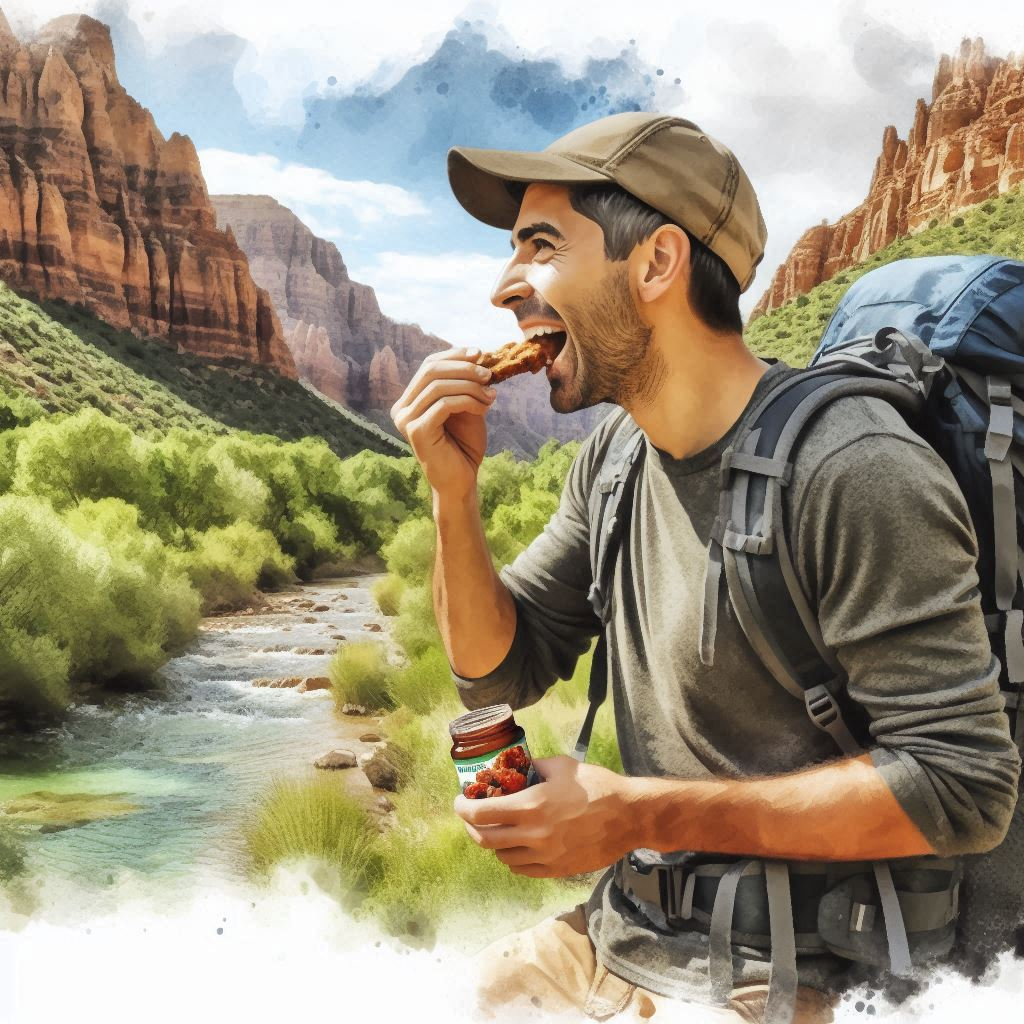
The key is to strike a balance between convenience and nutrition. Foods that are high in sugar may give you a quick burst of energy, but they also lead to crashes that leave you sluggish. Aim for snacks that combine carbs for quick energy with protein and fats for endurance. Portioning your snacks into small, easy-to-grab bags also helps you maintain steady energy without needing to stop and dig through your backpack constantly.
Don’t underestimate the morale boost of good food. Hiking can be physically taxing, and eating something enjoyable midway through the trail can lift your spirits and keep you motivated. Whether it’s a piece of dark chocolate, a handful of salty pretzels, or a flavored protein bar you love, having small indulgences can make the trail experience more enjoyable. In essence, food is not just fuel—it’s comfort, energy, and motivation all packed into your backpack.
3. Navigation Tools
Even on well-marked trails, navigation is one of the most important aspects of safe hiking. Relying solely on your smartphone for GPS can be a risky gamble, as batteries drain quickly, cell service is unreliable in remote areas, and electronic devices can malfunction. That’s why carrying dedicated navigation tools is a must for every hiker.
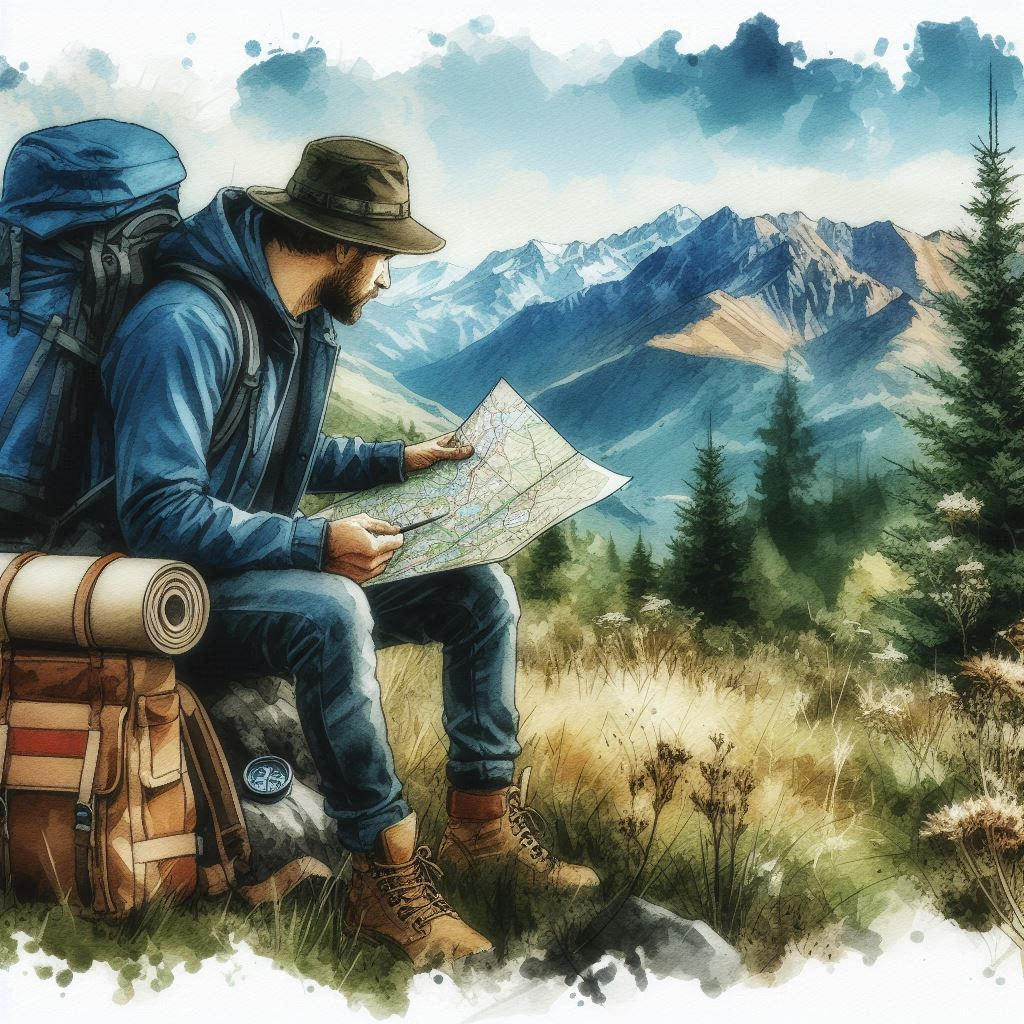
A detailed topographic map of the area is your best friend in the wilderness. Unlike digital devices, maps don’t require batteries and provide a broad view of the terrain, elevation changes, and alternate routes. Learning how to read a map might seem old-fashioned, but it equips you with the ability to orient yourself regardless of conditions. Pairing a map with a reliable compass creates a foolproof backup system that can help you find your way even if technology fails.
That said, modern tools do have advantages. A handheld GPS device or smartphone with downloaded offline maps can provide precise location tracking and save you time when trying to find intersecting trails or landmarks. Apps such as AllTrails, Gaia GPS, or Maps.me are excellent companions, but only if you remember to download the necessary maps before you lose service.
Navigation tools also help you plan ahead. By reviewing your map before starting, you can identify water sources, campsites, and emergency exit points. This knowledge gives you confidence on the trail, allowing you to adapt if unexpected conditions arise. Ultimately, navigation isn’t just about knowing where you are—it’s about ensuring you always know how to get where you need to be, safely and efficiently.
4. First Aid Kit
Accidents, big or small, are an inevitable part of hiking. A blister from ill-fitting boots, a scrape from a sharp rock, or a sprained ankle on uneven ground can all disrupt your adventure if you’re unprepared. That’s why a first aid kit is not optional—it’s essential. Carrying a kit doesn’t just mean you’re ready to take care of yourself, but also that you can assist fellow hikers in need.
A good first aid kit includes bandages, antiseptic wipes, adhesive tape, gauze, blister pads, tweezers, and pain relievers. For longer or more remote hikes, it’s wise to include items such as a small splint, elastic bandage wraps, and medications for allergies or digestive issues. Many outdoor retailers sell compact hiking-specific first aid kits that are lightweight yet comprehensive.
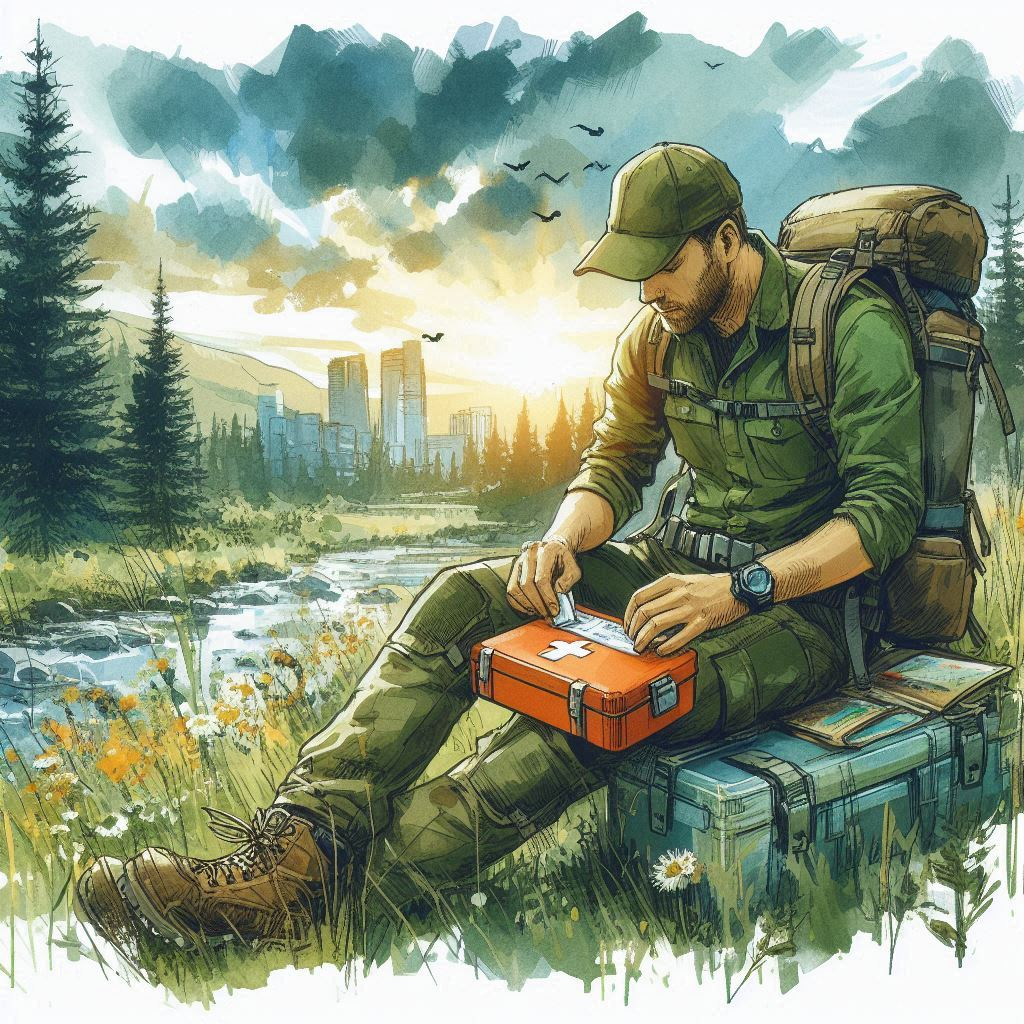
The value of a first aid kit goes beyond its contents. Knowing how to use the items is just as important. Taking a basic wilderness first aid course equips you with the knowledge to respond effectively to common hiking injuries. It transforms your kit from a collection of supplies into a true resource that can save lives.
Carrying a first aid kit also brings peace of mind. Even if you never open it, knowing it’s there gives you confidence as you navigate the trail. Hiking is about adventure, but adventure should never come at the cost of safety. A first aid kit ensures you are always ready to handle the unexpected.
5. Proper Clothing and Layering
Nature is unpredictable, and weather conditions can change rapidly during a hike. What starts as a sunny morning can quickly turn into a chilly afternoon or a stormy evening. The clothing you pack—and wear—plays a crucial role in keeping you comfortable, protected, and safe on the trail.
The principle of layering is the foundation of smart hiking attire. Start with a moisture-wicking base layer that pulls sweat away from your skin, preventing chills. Add an insulating mid-layer, such as a fleece or down jacket, to trap warmth. Finally, pack a waterproof and windproof outer shell to protect you from rain, snow, or harsh winds. By combining these layers, you can easily adapt to shifting conditions by adding or removing clothing as needed.
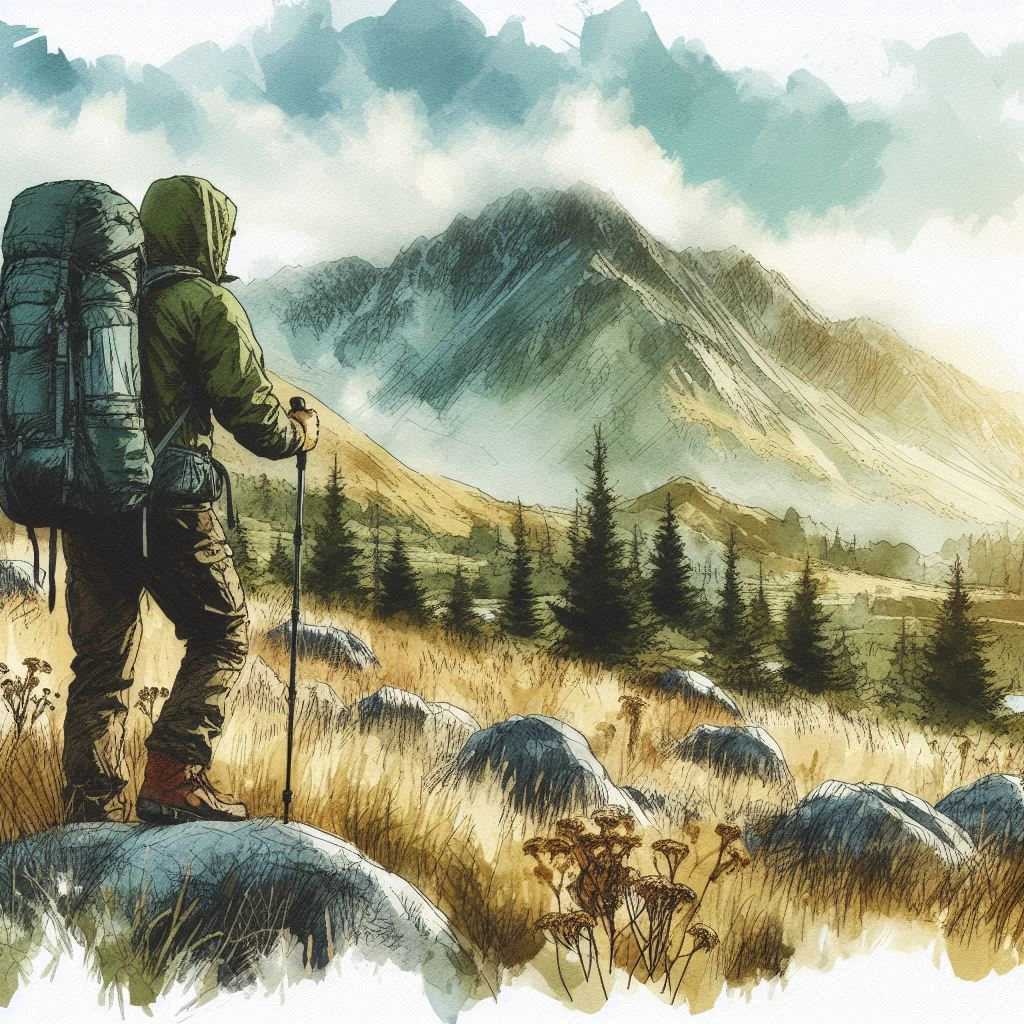
Footwear is equally important. A sturdy pair of hiking boots or shoes provides traction, stability, and ankle support. The wrong shoes can lead to blisters, sore feet, and even injuries. Investing in quality socks designed for hiking—often made of merino wool or synthetic blends—further prevents blisters and keeps your feet dry.
Accessories like hats, gloves, and sunglasses should not be overlooked. A wide-brimmed hat offers sun protection, while a beanie and gloves are lifesavers on colder hikes. Sunglasses with UV protection shield your eyes from glare, especially at higher elevations. By preparing for the unexpected, your clothing becomes more than comfort—it becomes protection against the elements.
6. Shelter and Emergency Gear
Even if you’re planning only a day hike, having some form of emergency shelter is a smart precaution. Unexpected delays, sudden weather changes, or injuries can force you to spend more time outdoors than planned. Having a lightweight emergency blanket, bivvy sack, or tarp ensures that you have a way to stay dry and warm if conditions turn against you.
Emergency shelters are compact and surprisingly effective. Mylar emergency blankets, for instance, can reflect up to 90% of your body heat, helping you avoid hypothermia in cold conditions. For longer treks, carrying a small, lightweight tent or hammock setup provides comfort and safety for overnight stays.
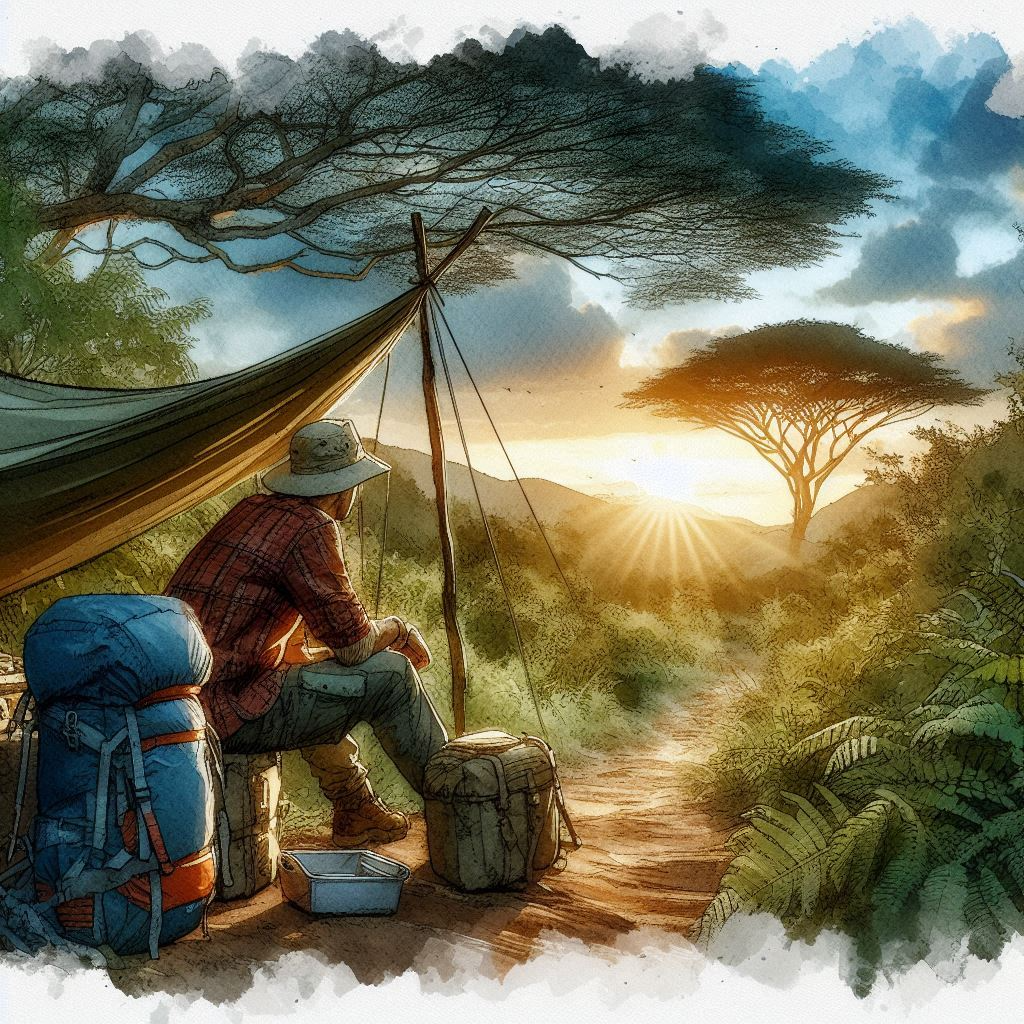
Other essential emergency gear includes a whistle, signaling mirror, and multi-tool. These items may seem small, but they can make a huge difference in an emergency. A whistle carries farther than your voice when calling for help, while a mirror can reflect sunlight to alert rescuers from great distances. A multi-tool provides practical functions, from repairing gear to preparing food.
Being prepared with shelter and emergency gear doesn’t mean expecting the worst—it means respecting the unpredictability of nature. By carrying these items, you ensure that unexpected setbacks never turn into life-threatening situations.
7. Fire-Making Supplies
Fire is one of humanity’s oldest tools, and its importance on the trail hasn’t diminished. Beyond its obvious uses for warmth and cooking, fire also provides light, safety, and comfort. In a survival situation, knowing you can start a fire can be the difference between life and death.
Carrying reliable fire-starting supplies is non-negotiable. Waterproof matches, a butane lighter, and a fire starter such as magnesium shavings or cotton balls soaked in petroleum jelly give you multiple options in case one fails. Keeping these supplies in a waterproof bag ensures they remain usable even in wet conditions.
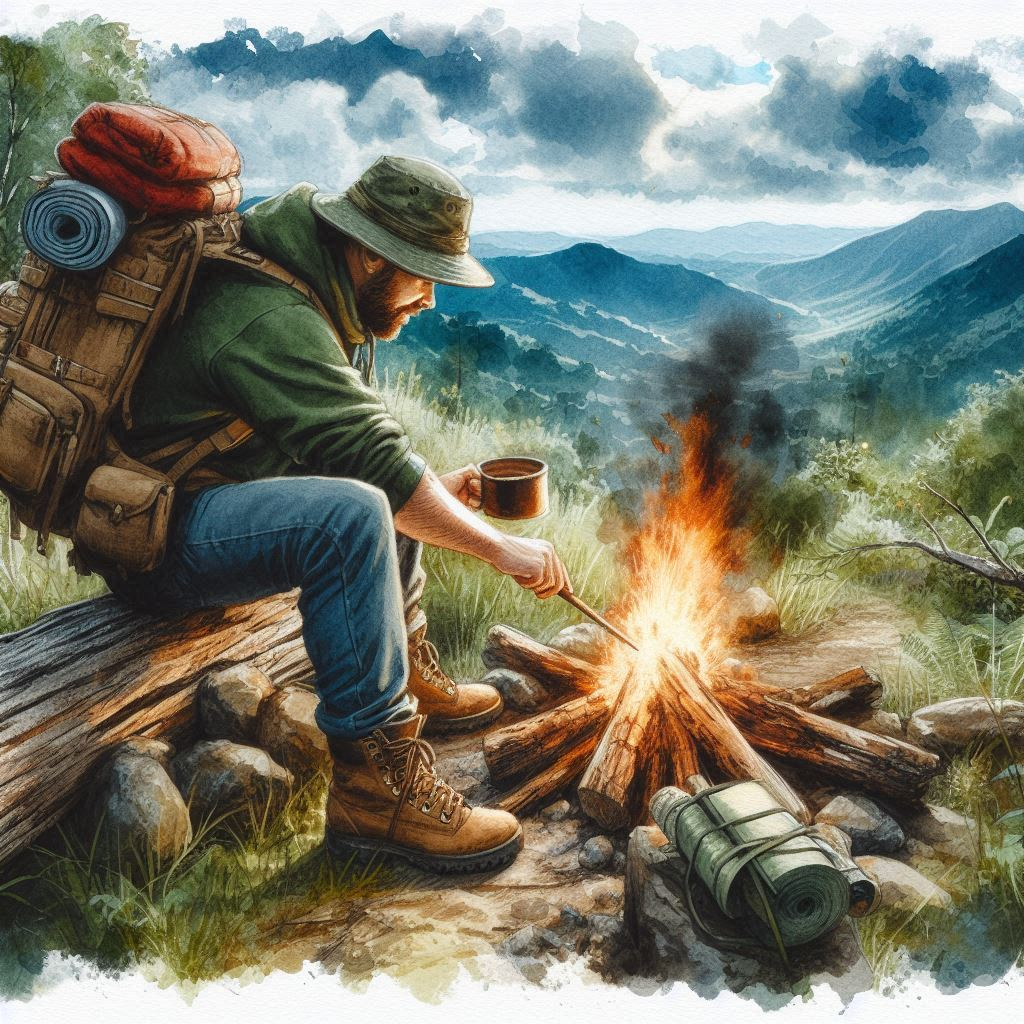
Starting a fire in the wilderness requires more than tools—it requires skill. Practicing fire-making techniques before your hike ensures you’ll be able to build a fire quickly when needed. Gather tinder, kindling, and fuel in increasing sizes, and learn how to construct a fire that burns steadily. This practice builds confidence and prepares you for real-world scenarios.
Even if you never need to start a fire in an emergency, the ability to do so enhances your overall hiking experience. Nothing beats sitting around a small fire on a chilly night, cooking a warm meal, or simply enjoying its glow. Fire is more than survival—it is comfort and connection in the wilderness.
8. Lighting and Headlamps
Daylight fades faster than most hikers expect, especially when trails take longer than planned or when dense forest cover reduces visibility. Having a reliable source of light ensures that you can safely navigate after dark, avoid tripping hazards, and signal for help if necessary.
Headlamps are the preferred choice for hikers because they keep your hands free. This allows you to continue hiking, cook food, or set up camp without juggling a flashlight. Modern LED headlamps are lightweight, long-lasting, and often have multiple brightness settings. Carrying extra batteries is essential, as you never want your only light source to fail when you need it most.
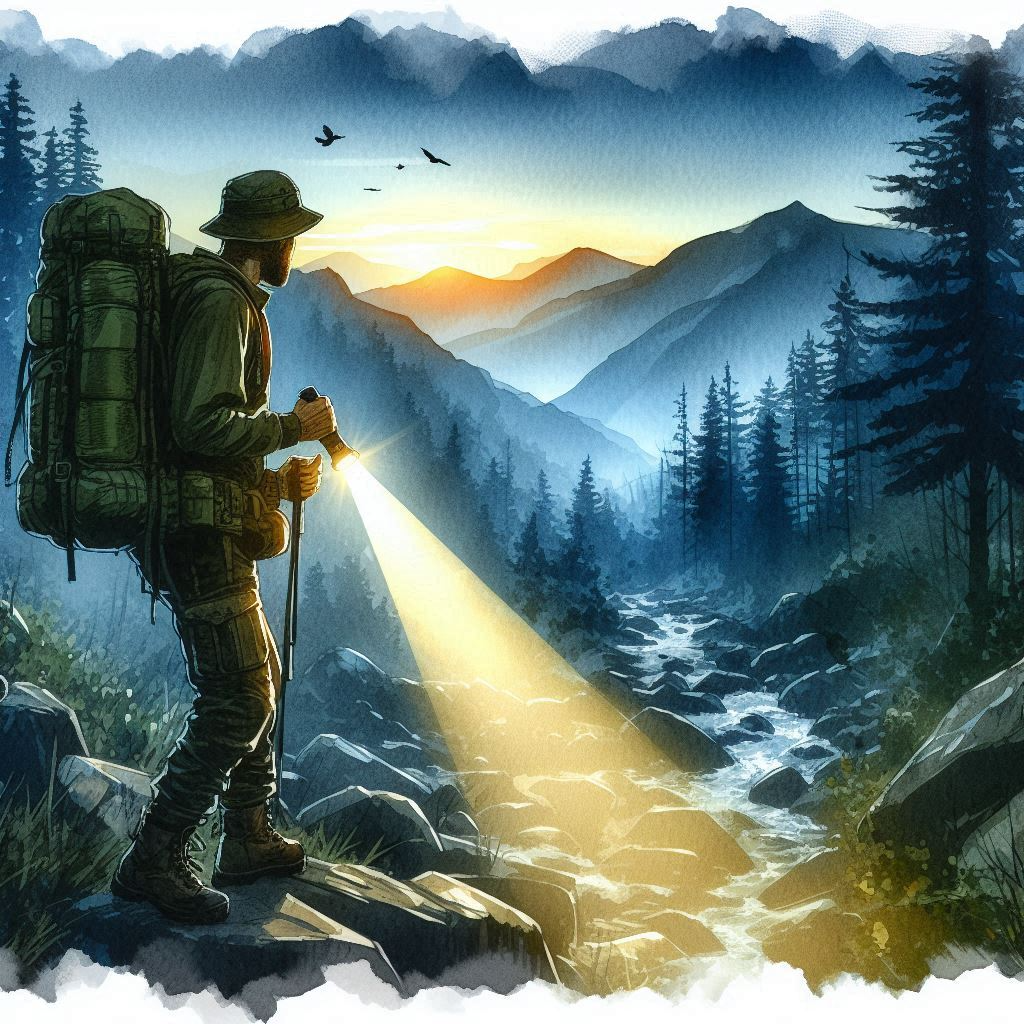
Flashlights are still valuable as backup sources of light. A small, durable flashlight can supplement your headlamp or provide extra illumination when searching for something in your pack. Some hikers also carry small lanterns to create a cozy atmosphere at camp.
Light isn’t only about visibility—it’s about safety and security. Being caught in the dark without a light can be disorienting and dangerous. By carrying reliable lighting, you ensure that darkness never limits your ability to explore, navigate, or protect yourself.
9. Sun Protection
The sun is both a friend and a foe on the trail. Its warmth and light make hiking enjoyable, but prolonged exposure can lead to sunburn, heat exhaustion, and long-term skin damage. That’s why sun protection is an absolute must for every hiker, regardless of the season or weather.
Sunscreen is your first line of defense. A broad-spectrum sunscreen with an SPF of 30 or higher protects against both UVA and UVB rays. Apply it before hitting the trail and reapply every two hours, especially if you’re sweating or hiking near water where reflection intensifies exposure.

Clothing is another powerful shield. Lightweight, long-sleeved shirts and pants made of breathable fabric protect your skin without overheating you. Wide-brimmed hats guard your face, neck, and ears, while sunglasses with UV protection safeguard your eyes from harmful rays. At higher elevations, where the atmosphere is thinner, sun protection becomes even more critical.
Don’t underestimate the cumulative effect of sun exposure. Even on cloudy days, UV rays penetrate through the clouds, and cool breezes can mask the sensation of burning skin. By making sun protection part of your hiking routine, you preserve your health and ensure that your time on the trail is remembered for its beauty—not the discomfort of sunburn.
10. Trash Bags and Leave No Trace Essentials
Hiking isn’t only about enjoying nature—it’s also about protecting it. Practicing Leave No Trace principles ensures that trails remain beautiful and accessible for future generations. One of the simplest yet most impactful items you can carry is a trash bag.
Bringing a lightweight trash bag allows you to pack out all your waste, from food wrappers to tissues. Going a step further, many conscientious hikers use their trash bags to collect litter they find along the trail, leaving the area cleaner than they found it. This small act of stewardship has a big impact on preserving natural spaces.

Beyond trash bags, consider other Leave No Trace essentials such as biodegradable soap, reusable containers, and a trowel for burying human waste responsibly when necessary. These items demonstrate respect for the environment and minimize your footprint in sensitive ecosystems.
Carrying these items is about more than following rules—it’s about embracing a mindset of responsibility. Hiking connects us to the natural world, and it’s our duty to protect it. With a trash bag and a commitment to Leave No Trace, you become part of a larger community of hikers dedicated to preserving the beauty of the wilderness.
Conclusion
Hiking is an adventure that blends physical challenge with the serenity of nature. It is a pursuit that brings joy, peace, and a deep sense of fulfillment, but it also requires preparation and foresight. A well-packed backpack is your safeguard against the unknown, ensuring that you are ready for both the expected and unexpected moments on the trail. The ten must-have items we’ve explored—hydration, nutrition, navigation tools, first aid, clothing, emergency gear, fire-making supplies, lighting, sun protection, and Leave No Trace essentials—form the foundation of safe, enjoyable hiking.
These items are not luxuries; they are essentials that protect your well-being and enrich your experience. Each one serves a distinct purpose, from fueling your body to shielding you from the elements, guiding you through unfamiliar terrain, and ensuring you leave nature as pristine as you found it. Together, they transform your backpack into a survival kit, a comfort station, and a toolbox for exploration.

As you prepare for your next hike, take time to review the contents of your backpack thoughtfully. Ask yourself whether you are equipped to handle changes in weather, unexpected detours, or small mishaps along the way. With these must-have items, you’ll find not only confidence in your preparedness but also the freedom to fully immerse yourself in the beauty of the trail.
Ultimately, hiking is about balance—the balance between challenge and enjoyment, solitude and connection, preparation and spontaneity. By carrying the right gear, you strike that balance and open the door to countless memorable adventures. So the next time you lace up your boots, shoulder your backpack, and step onto the trail, know that you are not only ready for the journey—you are ready to thrive in it.